
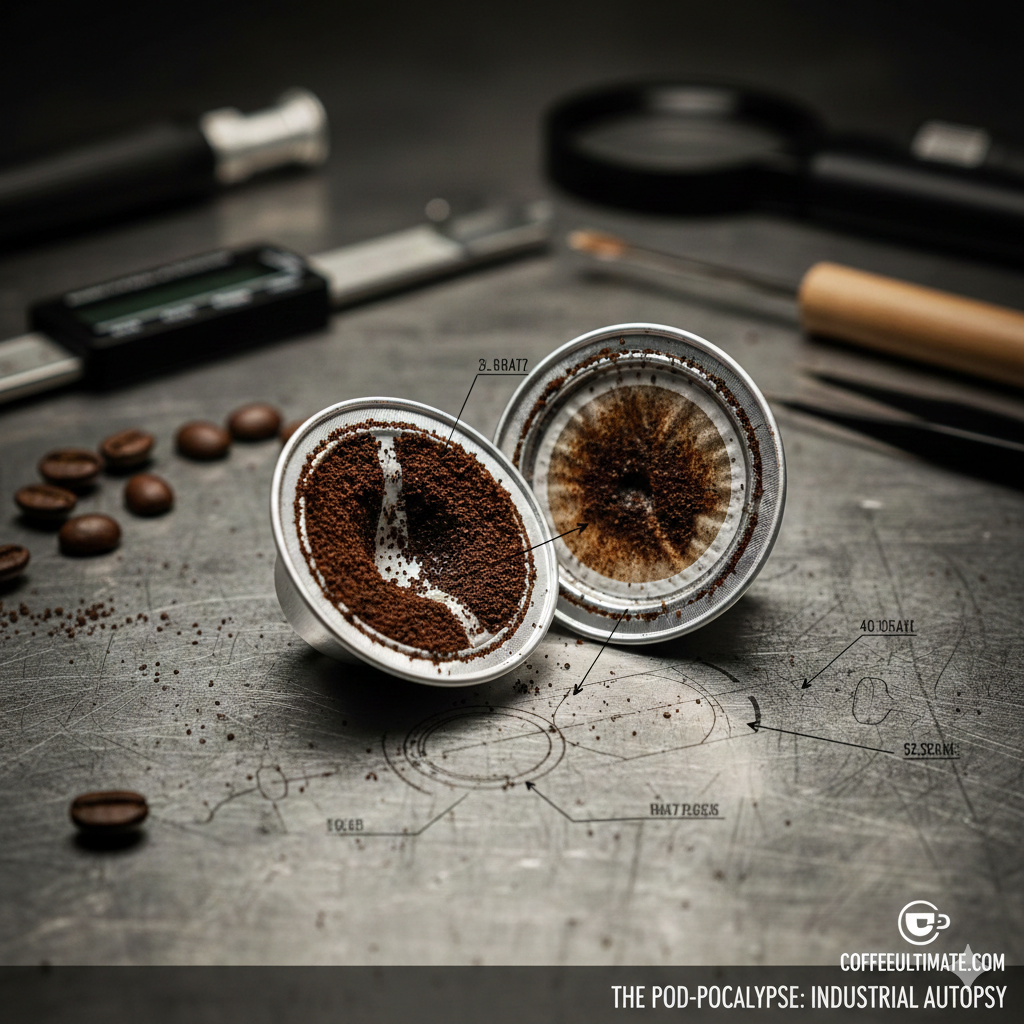
The Engineering of Staleness:
An Industrial Autopsy of the Coffee Pod
We’ve all been there. It’s 7:00 AM, you’re half-alive, and you pop a plastic cartridge into a machine. Thirty seconds later, you have a brown liquid that looks like coffee, but smells like… nothing.
In the spirit of “Built to Eat,” we aren’t just complaining about the taste; we’re looking at the blueprints. Why was this product engineered to fail your taste buds? Welcome to Part 1 of our “Pod-pocalypse” series at CoffeeUltimate.
1. The Pre-Ground Paradox (The Focus: Stale Coffee Pods)
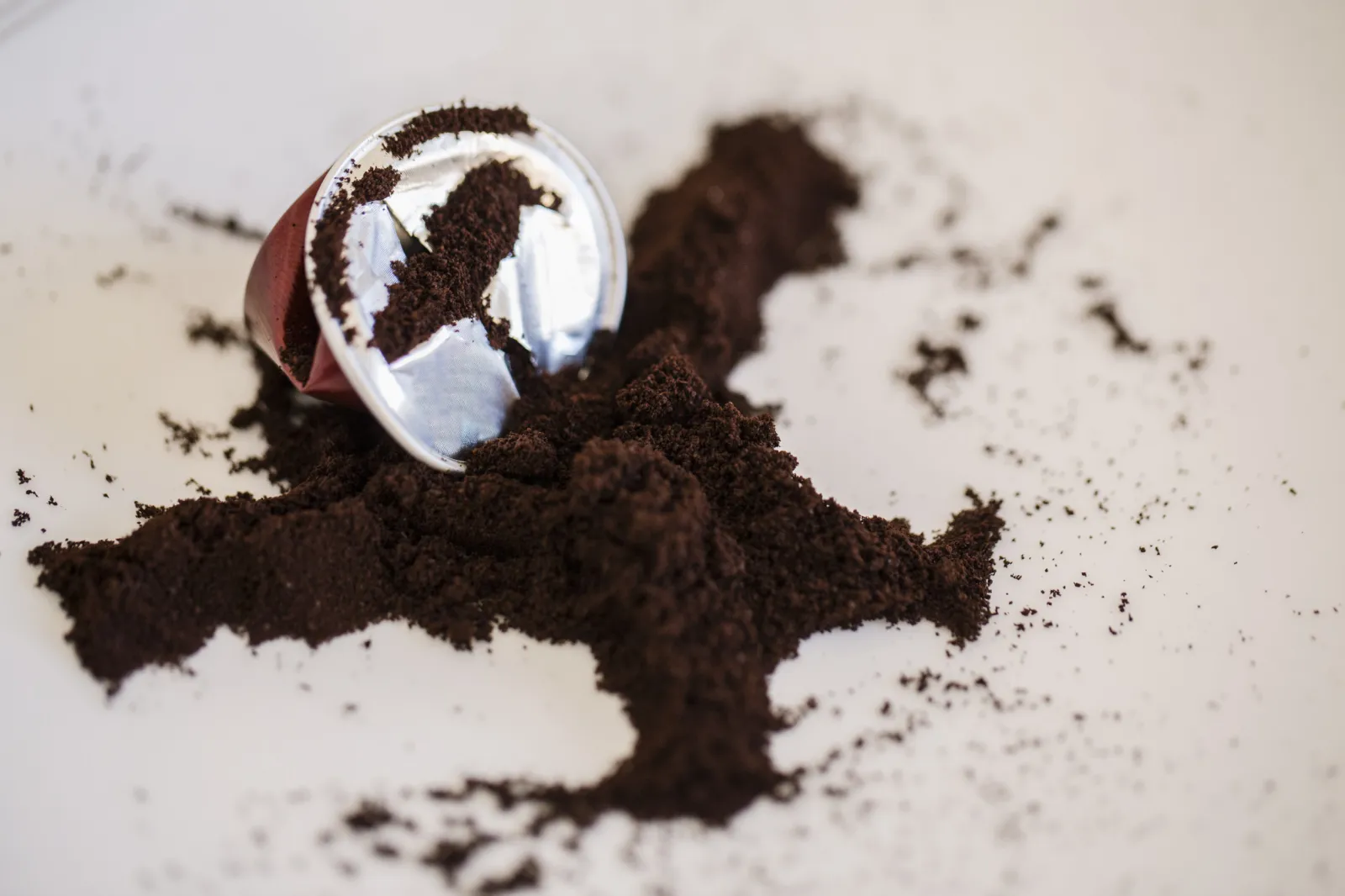
Coffee is a biological product, not a shelf-stable bolt. The second a bean is ground, the surface area increases by roughly 10,000%, exposing it to its greatest enemy: Oxygen.
- The Industry “Fix”: Big Coffee uses Nitrogen Flushing to push oxygen out before sealing the pod.
- The Reality: Nitrogen only stops new oxidation; it doesn’t undo the staleness that occurs during the industrial grinding and transport phase. By the time that pod hits your kitchen, the “volatile aromatics”—the stuff that makes coffee smell like heaven—are long gone.
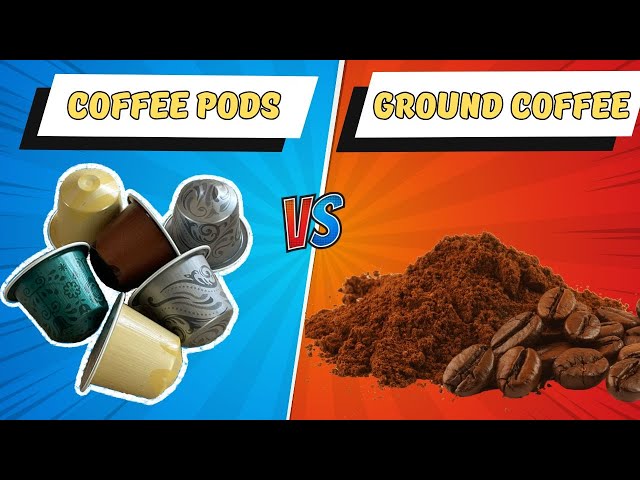
2. The 5-Gram Problem (Coffee Pod vs Ground Coffee)
Let’s talk math. A standard, specialty-grade cup of coffee uses about 15–20 grams of beans.
The Industrial Autopsy: If you slice open a standard pod, you’ll find between 5 and 9 grams of coffee.
To make that tiny amount of coffee taste “strong,” manufacturers often use darker, lower-quality Robusta beans or “fines” (coffee dust). You aren’t paying for premium beans; you’re paying for a plastic housing and a marketing budget.
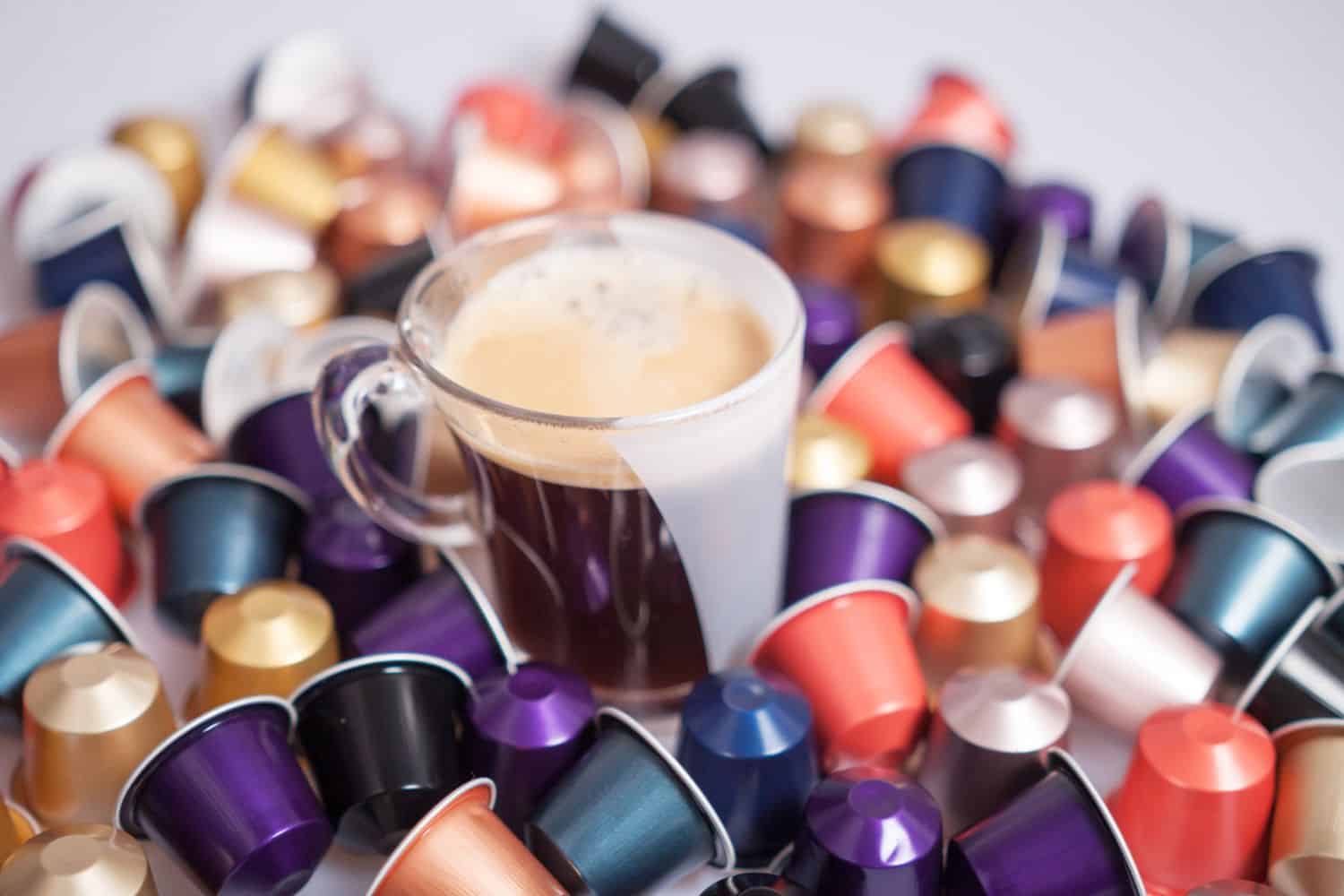
3. The “Jet-Stream” Extraction Issue
When you brew a pour-over, water saturates the grounds evenly. In a pod machine, a needle punches a hole and blasts water through at high pressure.
- Channeling: Because the coffee bed is so shallow and the pressure is so high, the water finds one “tunnel” (a channel) and ignores the rest of the grounds.
- Result: You get a cup that is simultaneously sour (under-extracted) and bitter (over-extracted).
Key Takeaways: Coffee Pod Quality vs. Freshness
| Feature | Mass-Market Pods | Freshly Ground Coffee |
| Grams per Cup | 5g – 8g (Weak) | 15g – 20g (Full Body) |
| Age of Grind | 3 – 12 Months | 30 Seconds |
| Packaging Waste | High Plastic/Aluminum | Low (Compostable) |
| Cost per lb | ~$50.00+ | ~$15.00 – $25.00 |
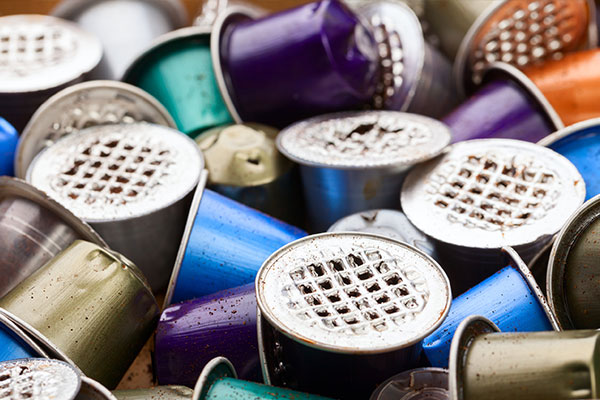
4. How Long Do Coffee Pods Really Stay Fresh?
If you look at the bottom of your box, you’ll see a “Best By” date. But “Safe to Drink” and “Good to Drink” are two different worlds.
While a nitrogen-sealed pod is technically safe for 12–24 months, the peak flavor window for ground coffee is actually measured in minutes. You aren’t drinking a “fresh brew”; you’re drinking a well-preserved antique.
The Verdict: Built for Speed, Not for You
The coffee pod wasn’t engineered to give you a better cup of coffee. It was engineered to solve a logistics problem: how to sell tiny amounts of old coffee at a massive markup.
Next in the Series: We’re going deeper into the “Filter Fallacy”—why your pod machine is actually a tiny, poorly designed chemistry lab.



1 comment
This is an AWESOME series, I look forward to the next episode.